

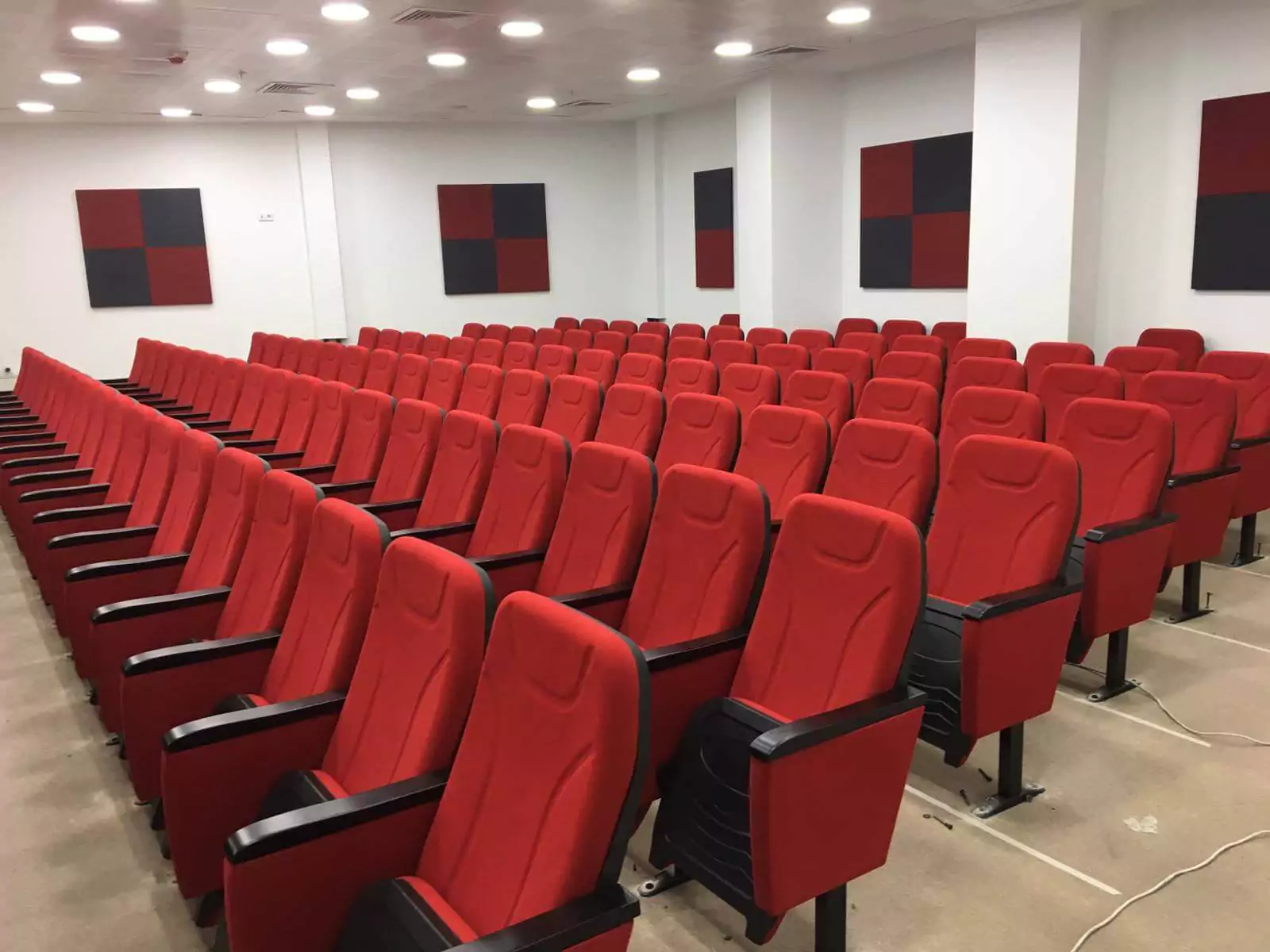
Seating That Holds the Auditorium Together
An auditorium is designed around one core expectation: people will remain seated and attentive for a long period of time. Everything in the space supports this goal, from acoustics to lighting. Seating sits at the center of this system, even though it is rarely acknowledged directly.
Auditorium seating does not define the event, but it defines the conditions under which the event can succeed. When seating performs correctly, the audience forgets about it. When it fails, attention quickly shifts away from the stage.
Attention Begins With the Body
Sustained attention is not only a mental state. It is physical. The way the body is supported directly affects how long a person can listen, watch, and stay engaged.
Well designed auditorium seating supports attention by
allowing the body to settle quickly
maintaining an upright but natural posture
reducing pressure points during long sessions
This physical stability removes distraction before it begins.
Repetition Changes Everything
Auditorium seating is never experienced once. It is experienced hundreds of times, often by different audiences, under different conditions.
Because of this repetition, seating must
behave the same way every time it is used
remain stable after years of continuous load
avoid small issues that grow through repetition
What feels minor in one seat becomes significant when repeated across an entire hall.
Comfort Without Losing Focus
Comfort in an auditorium must be carefully controlled. Too little support creates fatigue. Too much softness encourages disengagement.
Effective auditorium seating balances
supportive geometry rather than deep cushioning
firmness that holds posture without rigidity
comfort that remains consistent over time
The goal is not relaxation. The goal is sustained presence.
Visual Order Shapes Perception
Before an event begins, the audience already forms an opinion of the space. Seating plays a major role in this first impression.
Clear alignment, consistent spacing, and visual rhythm
make the room feel organized
reduce subconscious tension
keep attention oriented toward the stage
Seating becomes part of the architecture rather than an object placed within it.
Acoustic Responsibility of Seating
Sound is fragile in auditorium environments. Even small noises travel quickly and disrupt concentration.
Auditorium seating must therefore
remain silent during movement
feel solid when weight shifts
avoid vibration or mechanical noise
Acoustic neutrality is not optional. It is essential to the function of the space.
Durability as a Silent Requirement
Auditorium seating is expected to last for years, often decades. Replacement is disruptive and costly.
Long term performance depends on
strong internal structure
materials that age evenly
construction that resists loosening over time
Durability is rarely noticed when present, but immediately felt when missing.
Daily Use Between Events
Between performances or sessions, seating must support fast turnaround. Cleaning, inspection, and preparation are part of daily operation.
Well planned seating
allows easy access for maintenance
does not require constant adjustment
keeps the space ready without effort
Operational simplicity protects the long term usability of the auditorium.
Adapting to Different Types of Events
Many auditoriums host more than one type of activity. A lecture, a concert, and a ceremony may all take place in the same space.
Seating that works across these uses
feels appropriate in formal settings
does not restrict expressive events
maintains consistency despite changing audiences
This adaptability comes from proportion and layout, not complex mechanisms.
When Seating Stops Being Noticed
The clearest sign of successful auditorium seating is absence. People remember the speaker, the performance, or the message. They do not remember the chair.
When seating performs as it should
time passes without discomfort
attention stays forward
the room feels composed
The seating disappears into the experience.
Holding the Space Over Time
Auditoriums are built to serve communities, institutions, and cultures over long periods. Seating must support this continuity.
By combining structural reliability, visual order, and balanced comfort, auditorium seating becomes a stable foundation for everything that happens in the space. It does not draw attention, but it holds attention.
That quiet role is what allows an auditorium to function as intended, year after year, event after event.
Created By : Monseat